

A sweeping international decision just reshaped how more than 40 animal species will be protected across borders — and the list includes some of the planet’s most recognizable wildlife.
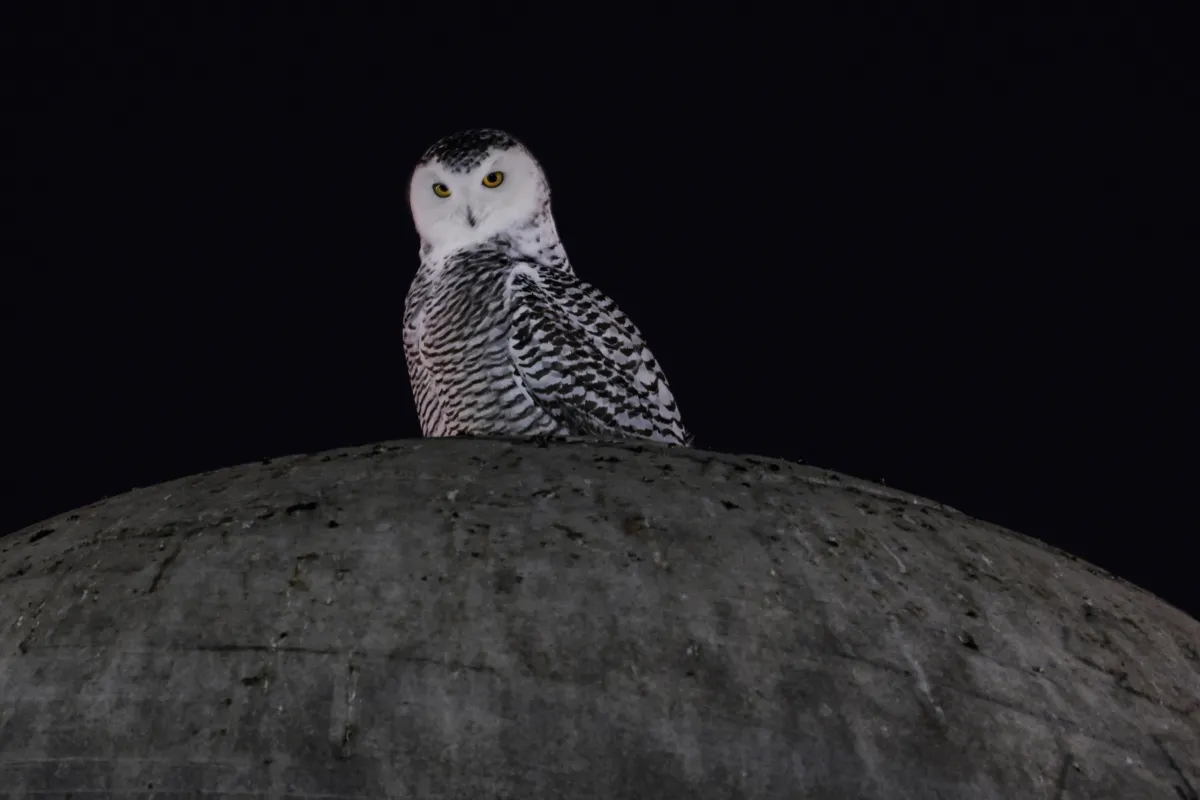
Representatives from 132 countries and the European Union voted March 29 at the COP15 summit in Campo Verde, Brazil, to grant new or upgraded protections to species under the Convention on Migratory Species (CMS). The newly protected animals include the snowy owl, cheetah, great hammerhead shark, striped hyena, Hudsonian godwit and giant otter.
All are now classified as either “species in danger of extinction” or “species in need of coordinated international action.”
What This Protection Order Actually Means for These 40+ U.N. Species
Countries that are party to the CMS are legally required to protect listed species, conserve and restore their habitats, reduce barriers to migration and cooperate with other nations. That legal obligation is the mechanism that separates this from a symbolic gesture: when a species lands on the CMS list, governments commit to real changes in policy and land management.

The initiative aims “to strengthen global or regional conservation efforts of such iconic species as the cheetah, striped hyena, snowy owl, giant otter, great hammerhead shark, and several shorebird species,” according to the CMS.
“From cheetahs and striped hyenas to snowy owls, giant otters and great hammerhead sharks, CMS Parties have backed stronger international action as new evidence shows many migratory species are moving closer to extinction,” the CMS said in a statement on social media.
The Numbers Behind the U.N.’s Decision to Protect These Species
Data released ahead of the summit painted a stark picture. According to a CMS report, 49 percent of species listed under the convention are in decline, and nearly one in four are threatened with extinction globally.
CMS Executive Secretary Amy Fraenkel framed the stakes directly in a release: “We came to Campo Grande knowing that the populations of half the species protected under this treaty are in decline. We leave with stronger protections and more ambitious plans, but the species themselves are not waiting for our next meeting.”
That last line lands hard. These species migrate across continents, meaning no single country can protect them alone. A cheetah’s range doesn’t respect national borders. Neither does a snowy owl’s flight path or the ocean currents a great hammerhead follows.



The summit also surfaced a parallel concern. A separate United Nations assessment published as the summit opened warned that migratory freshwater fish populations are rapidly declining and at risk of collapse due to habitat destruction, overfishing and water pollution. That finding broadens the scope of what’s at stake beyond the 40 species that received new protections.

Why This Decision Made By the U.N. Stands Apart
International wildlife agreements often generate headlines but little follow-through. What makes the CMS framework different is the binding nature of its commitments: party nations are legally required to act, not merely encouraged to consider action. The breadth of species covered in this single round of decisions — spanning predators, shorebirds, marine species and freshwater ecosystems — signals a coordinated push rather than piecemeal conservation.
For anyone tracking how global environmental policy is shifting, this is a concrete data point. More than 40 species now have legal backing they didn’t have before March 29, and the 132 countries involved have agreed to enforce those protections. Whether the pace of action matches the pace of decline is the question Fraenkel’s words leave hanging.