


In the days following Robert Carradine’s death, his family spoke openly about the private battle the actor had fought for years — a nearly 20-year struggle with bipolar disorder that had shaped much of his life behind the scenes.
Robert — best known for his role in the 1984 comedy classic Revenge of the Nerds and for later television appearances, including Lizzie McGuire — died by suicide on February 23, 2026, at age 71. In a statement confirming his death, his brother Keith Carradine said the actor had endured a long fight with the illness.
“We are bereft at the loss of this beautiful soul and want to acknowledge Bobby’s valiant struggle against his nearly two-decade battle with bipolar disorder,” Keith said, adding that he hopes Robert’s story might help “shine a light and encourage addressing the stigma that attaches to mental illness.”
While Robert rarely discussed his struggles publicly, glimpses of his mental health battles surfaced years earlier during the actor’s contentious divorce from his wife, Edie Carradine. The pair, who shared now-adult children Marika and Ian, separated in July 2015 with Robert filing for divorce four months later after 25 years of marriage. (Robert was also the father of daughter Ever, 51, from a previous relationship). Court documents from those proceedings offered a troubling window into how Robert’s bipolar disorder had affected his personal life — including multiple hospitalizations and an allegation that he once confessed to trying to kill himself and Edie during a psychotic episode.
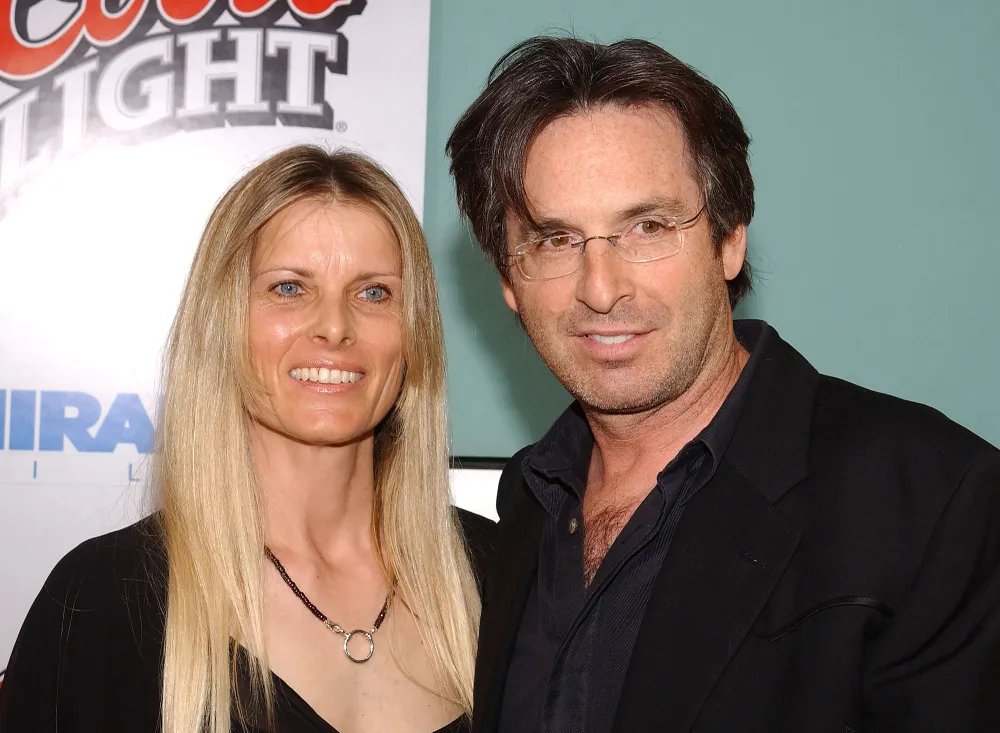
In a declaration filed in April 2017, Edie stated that following the death of Robert’s older brother, Kung Fu star David Carradine, her husband became depressed and was hospitalized. From then on, she alleged that his “episodes just continued to get out of control,” and that he’d destroyed a plaster wall at a rental in Woodstock, New York, by attacking it with a hammer and a knife.
In the same filing, Edie alleged that the actor admitted he deliberately drove their car into an oncoming semitruck during a March 2015 road trip while the couple were traveling to visit their daughter. The crash left Robert with multiple broken bones while Edie suffered a concussion and hand injury, and claimed it also left her with PTSD.
“After enough recovery time in July, I decided to sit down with our children and confront Bobby about the ‘accident,’” she wrote in the court documents. “Bobby confessed to me and our two children that he deliberately drove into the truck to kill us both. Because of Bobby’s worsening violent behavior and my own emotional traumas after the incident, I felt it was best for the safety of myself and our children, that Bobby continue staying with [his brother] Keith. I am concerned about Bobby getting any of the guns in this divorce. I fear he is capable of hurting himself or others.”
Robert addressed the incident in his own court declaration, writing that he had suffered a “psychotic breakdown” and was placed on medication for bipolar disorder after his beloved brother David passed away. (The Kill Bill star was found hanging in a closet in a Bangkok hotel room in 2009 with rope around his neck and genitals. A medical examiner hired by the family later ruled out suicide but did not rule out autoerotic asphyxiation.)
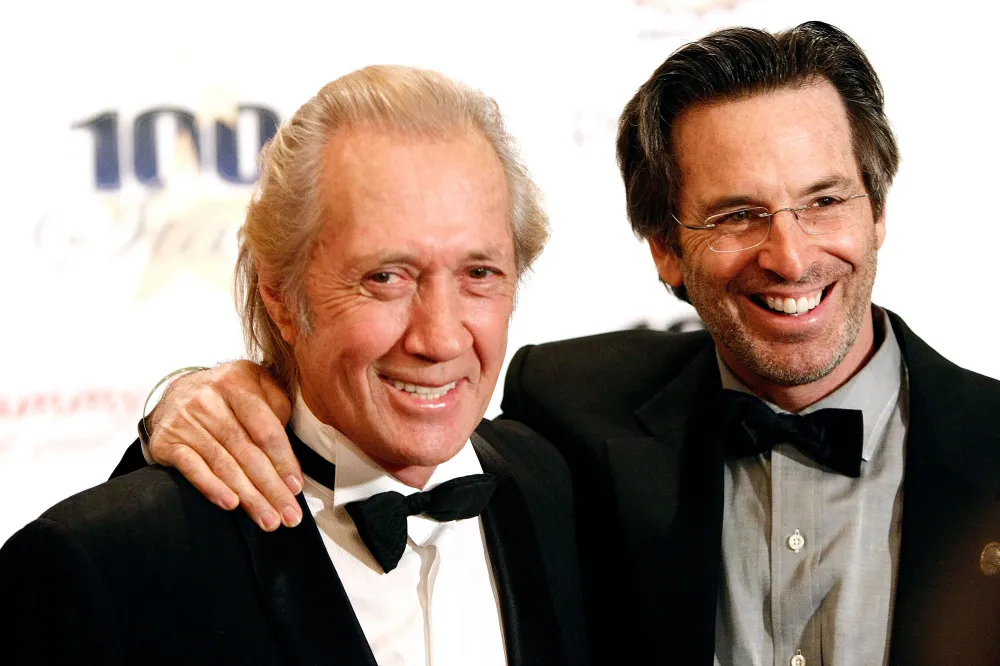
Robert stated that in 2014, Edie had him sign a power of attorney, giving her decision-making control over him and his assets, which he claimed he signed under duress. He added that Edie’s “persistent interference with my medical regime, and in particular, my prescribed medications” impeded his recovery and that she “would take me off my medication, and the result is that I would regress back into an acute psychosis. While in this acute psychotic state, [she] urged me to get behind the wheel and drive her to Colorado. On the way, we were in a terrible automobile accident, at which time I was almost killed.”
Edie refuted this claim, saying at the time, “I refuse to take such blame. [His] statement is untrue.”

He further alleged that during this time, while off his medication and “not doing well,” his ex-wife took him to see a shaman (or spiritual healer) over a four-day period “to try and remove the ‘demons’ which were supposedly inside me.”
The filings also revealed the professional and financial strain he faced in the years after the crash. For decades, Robert — who was also part of one of Hollywood’s most recognizable acting dynasties — had been a familiar face on screen. But by 2017, “My career as an actor is presently very uncertain,” he wrote in one declaration, explaining that the injuries he suffered in the accident had affected his ability to work and that acting opportunities had become scarce.
By the time Robert’s divorce was finalized in 2018, the couple had divided assets accumulated during their marriage. He agreed to pay $2,450 per month in spousal support and 25 percent of his future acting income.



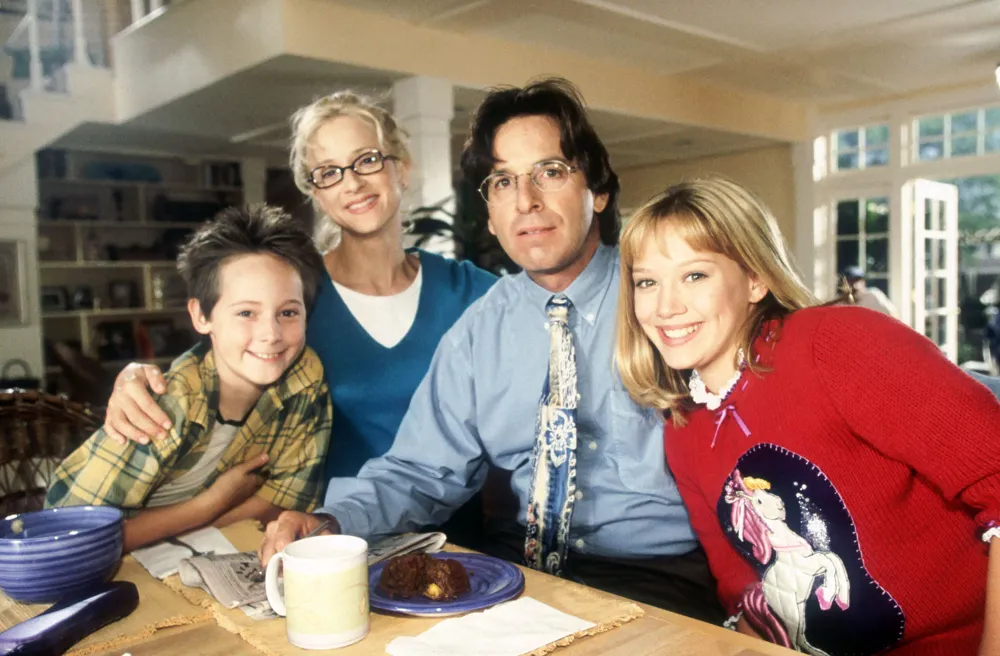
Some of the items he fought hardest to keep, however, held sentimental value rather than financial worth. Among them were a collection of Pentax cameras and photography equipment — a hobby Robert said he had taken up as a teenager while living with David. The couple also fought over three antique chairs (worth $5,000 each) that had “personal sentimental value” to the actor because they were gifts from his grandfather, who had passed away.
For those closest to Robert, the court documents offered only fragments of a much longer story shaped by grief, mental illness and a series of personal struggles that played out largely behind the scenes. “My dad was a lover, not a fighter,” his daughter Ever wrote in a touching Instagram tribute to her father after his death. “He was all heart, and in a world so full of conflict and division, I think we can all take a page out of his book today, open our hearts and feel and share the love.”
If you or someone you know is struggling or in crisis, help is available. Call or text 988 or chat at 988lifeline.org.