

One of the many headlines President Donald Trump made in May 2025 was his announcement that he would grant full pardons to embattled reality stars Todd Chrisley and Julie Chrisley in their fraud and tax evasion cases — though he’s far from the first president to grant clemency under controversial circumstances.
The U.S. Constitution gives a president the “power to grant reprieves and pardons for offences against the United States, except in cases of impeachment.” The Constitution defines the president’s pardoning authority as “unlimited” and applicable to “every offence known to the law.” Pardons can be issued “either before legal proceedings are taken, or during their pendency, or after conviction and judgment” in either federal or state-level courts.
In some cases, pardons have been issued in order to avoid political crises — such as former president Gerald Ford granting his predecessor Richard Nixon a full and unconditional pardon following Nixon’s resignation during the Watergate scandal.
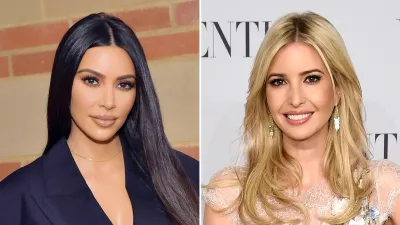
In other cases, presidents have been lobbied to correct historical wrongs, like when Kim Kardashian worked in tandem with the Trump administration to commute Alice Marie Johnson‘s life sentence for a first-time drug offense in 2018.
Keep scrolling for a look at some newsworthy and controversial presidential pardons.
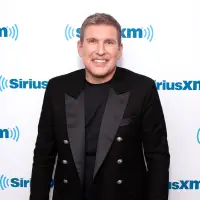
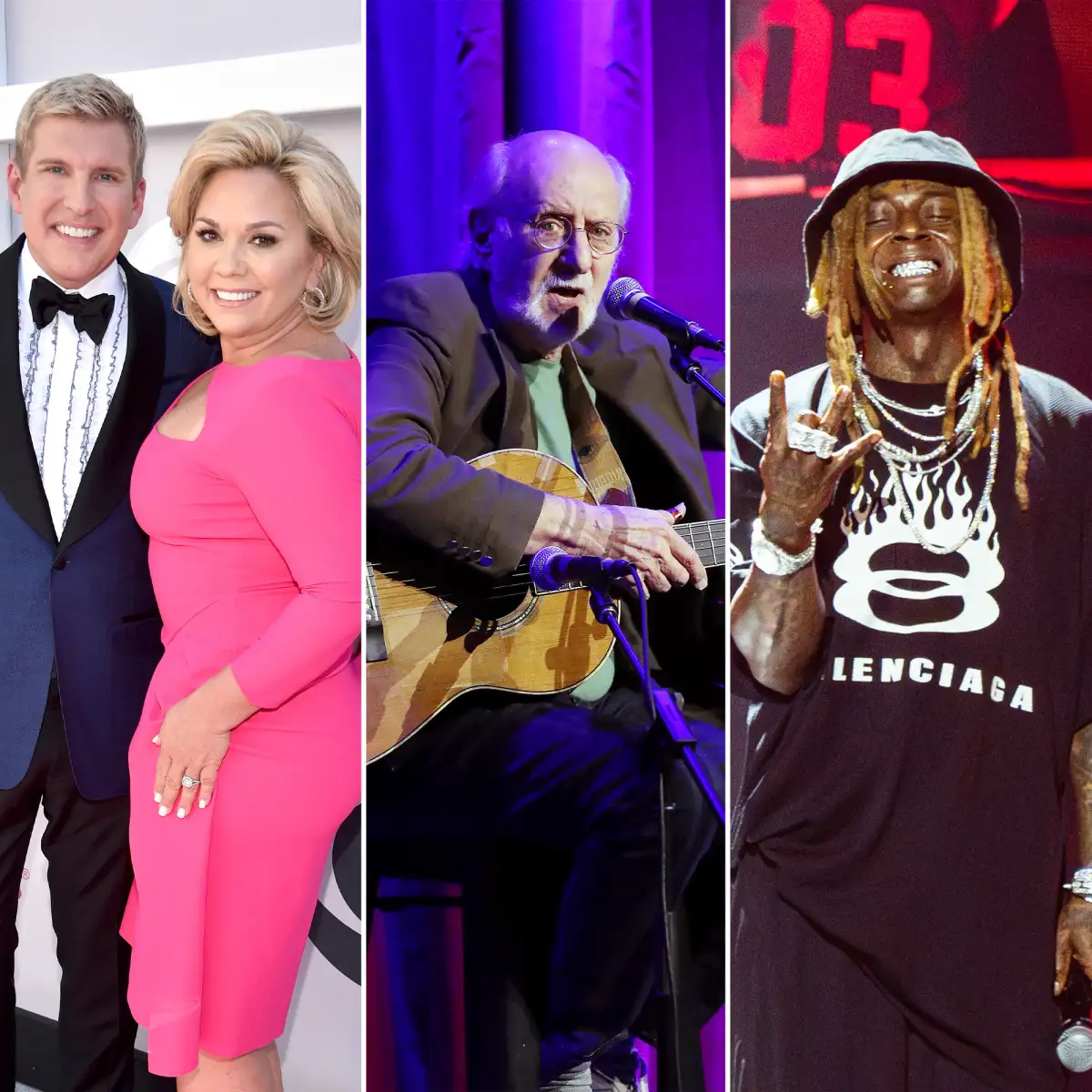
Todd and Julie Chrisley
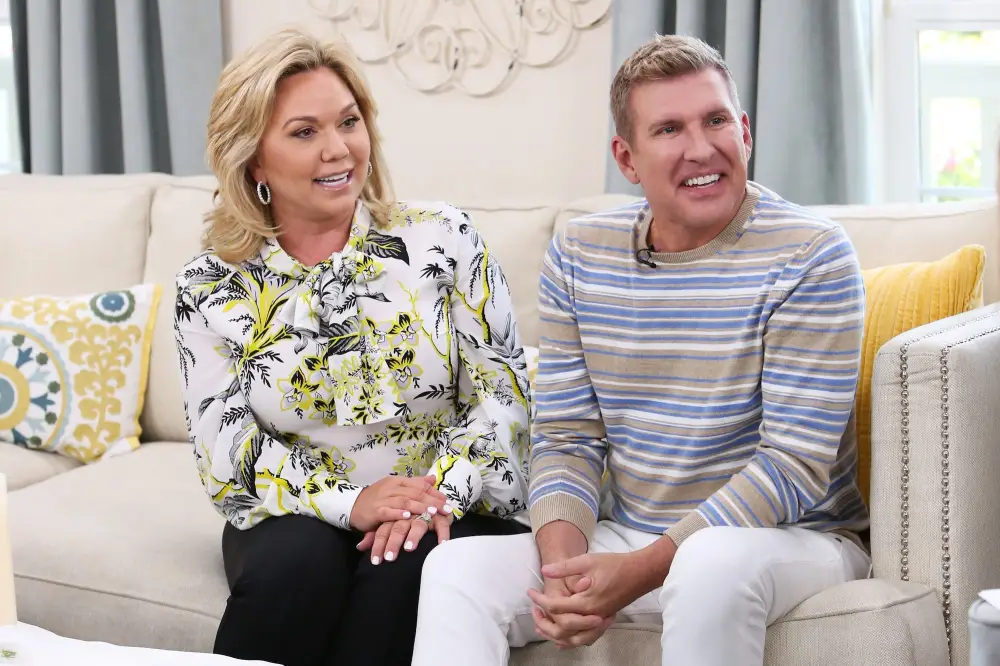
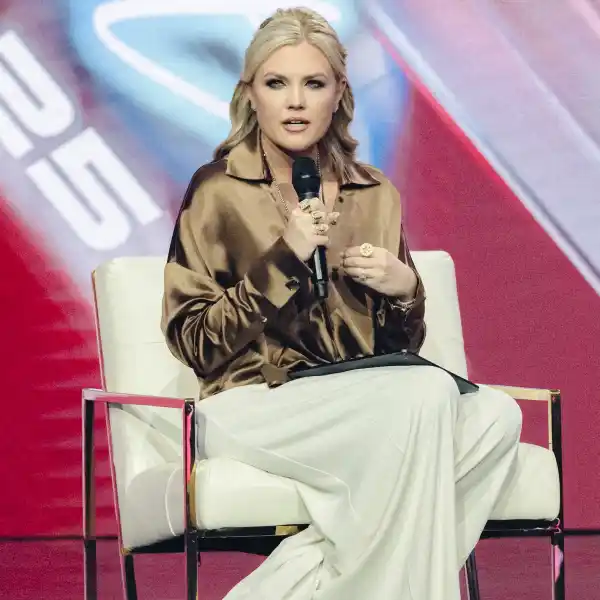
President Trump held a surprise Oval Office phone call with Savannah Chrisley in May 2025 to announce that he was granting her parents a full pardon.
Todd and Julie were originally indicted on charges of tax evasion, bank and wire fraud and conspiracy in 2019. The couple were both found guilty, with Todd being sentenced to 12 years in prison and his wife being given a seven-year sentence. The Chrisleys maintained their innocence and continued to appeal their sentences, which were previously reduced in September 2023 by nearly two years.
“It’s a terrible thing but it’s a great thing, because your parents are going to be free and clean,” Trump told Savannah in a video shared on social media. “I hope we can do it by tomorrow. I don’t know them, but give them my regards. Wish them a good life.”
Savannah hailed Trump’s decision in a statement to Luxury Handbag Shopping, in which she celebrated the legal victory after doing “everything in [her] power to fight for [her] parents’ freedom and bring them home” for more than two years.
“This moment is the answer to countless prayers, and I am beyond grateful to President Trump for seeing the truth and restoring my family,” she said.
Savannah also thanked criminal justice reform advocate Alice Marie Johnson for her “unwavering support” and being an “essential part” of the effort to free Todd and Julie. Johnson was previously pardoned by Trump for a first-time drug offense in 2018.
Alice Marie Johnson
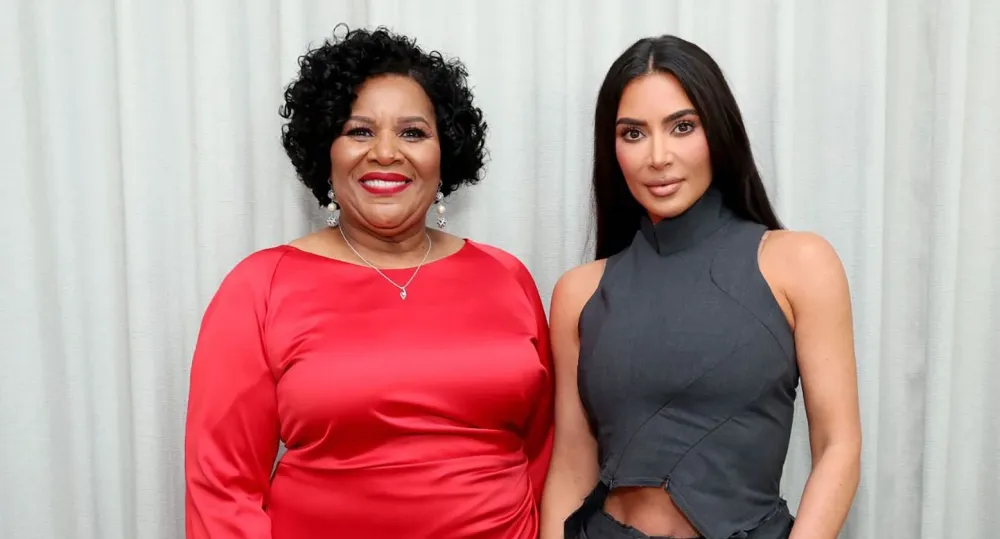
Before Kim Kardashian completed her four-year law school apprenticeship in 2025, she worked with the Trump administration to grant Johnson clemency. Kardashian’s involvement was particularly newsworthy because of how closely she worked with the administration to secure Johnson’s release.
Johnson was convicted of being involved with a Memphis cocaine trafficking ring in 1996 and sentenced to life imprisonment without parole even though it was a first-time, non-violent offense.
At the time of Johnson’s pardon in 2018, Kardashian thanked Trump and others in his administration for showing “compassion and [contributing] countless hours to this important moment.”
“[Alice’s] commutation is inspirational & gives hope to so many others who are also deserving of as second chance,” she added. “I hope to continue this important work by working together with organizations who have been fighting this fight for much longer than I have and deserve the recognition.”
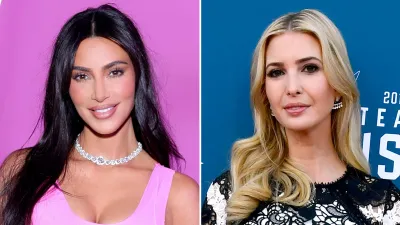
She went on, “The phone call I just had with Alice will forever be one of my best memories. Telling her for the first time and hearing her screams while crying together is a moment I will never forget.”
Once she was freed from an Alabama federal prison, Johnson took part in a joint interview with Kardashian on Good Morning America where she described the moment she first learned of her pardon.
“When Kim told me that I was being released, I started jumping up and screaming and crying, and everyone else was crying,” she said. “It was wonderful. I’m so glad that she was the one who was able to deliver the news to me. It was a perfect ending.”
Trump named Johnson the country’s first pardon czar when he was re-elected in 2024.
Lil Wayne and Kodak Black
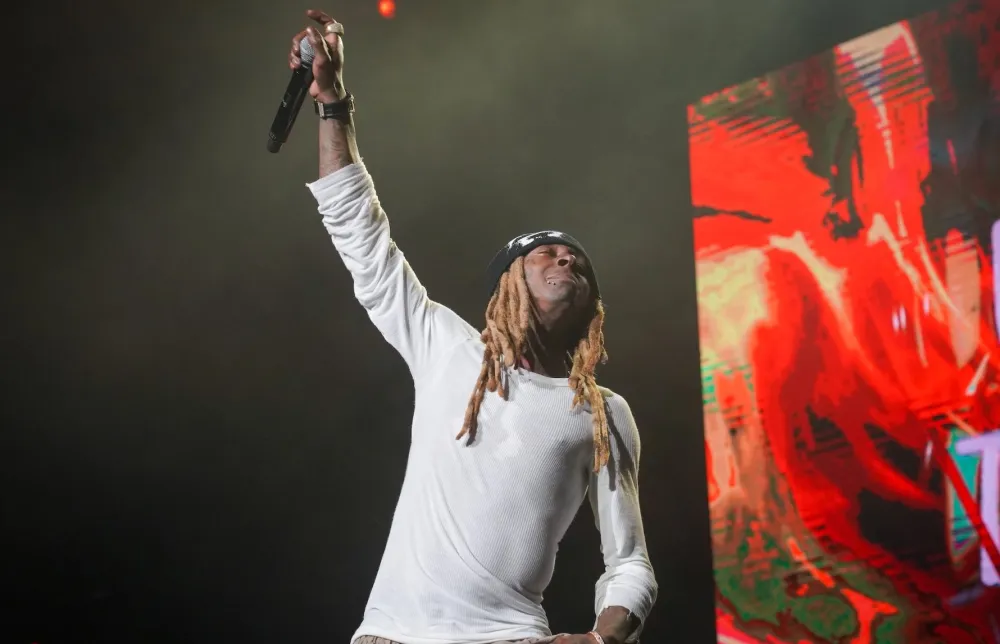
At the end of his first term in office, Trump ordered clemency for two hip-hop stars as part of 143 pardons issued during his final few hours in power in January 2021.
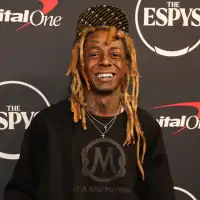
Lil Wayne (real name Dwayne Michael Carter Jr.) pled guilty in December 2020 to illegal possession of a firearm due to his past criminal record. He was scheduled to be sentenced in January 2021, before he was pardoned after spending time with Trump at the president’s Miami country club.
“I want to thank President Trump for recognizing that I have so much more to give to my family, my art and my community,” Lil Wayne wrote via X at the time.
South Florida lawyer Bradford Cohen publicly advocated for Kodak Black (real name Bill K. Kapri) to have his sentence commuted for making a false statement in connection with acquiring a firearm. Cohen lobbied Trump after working with the president’s former campaign manager Corey Lewandowski.
“I Want To Thank The President @RealDonaldTrump For His Commitment To Justice Reform And Shortening My Sentence. I Also Want To Thank Everyone For Their Support And Love,” Kodak wrote via X. “It Means More Than You Will Ever Know. I Want To Continue Giving Back, Learning And Growing.”
Peter Yarrow
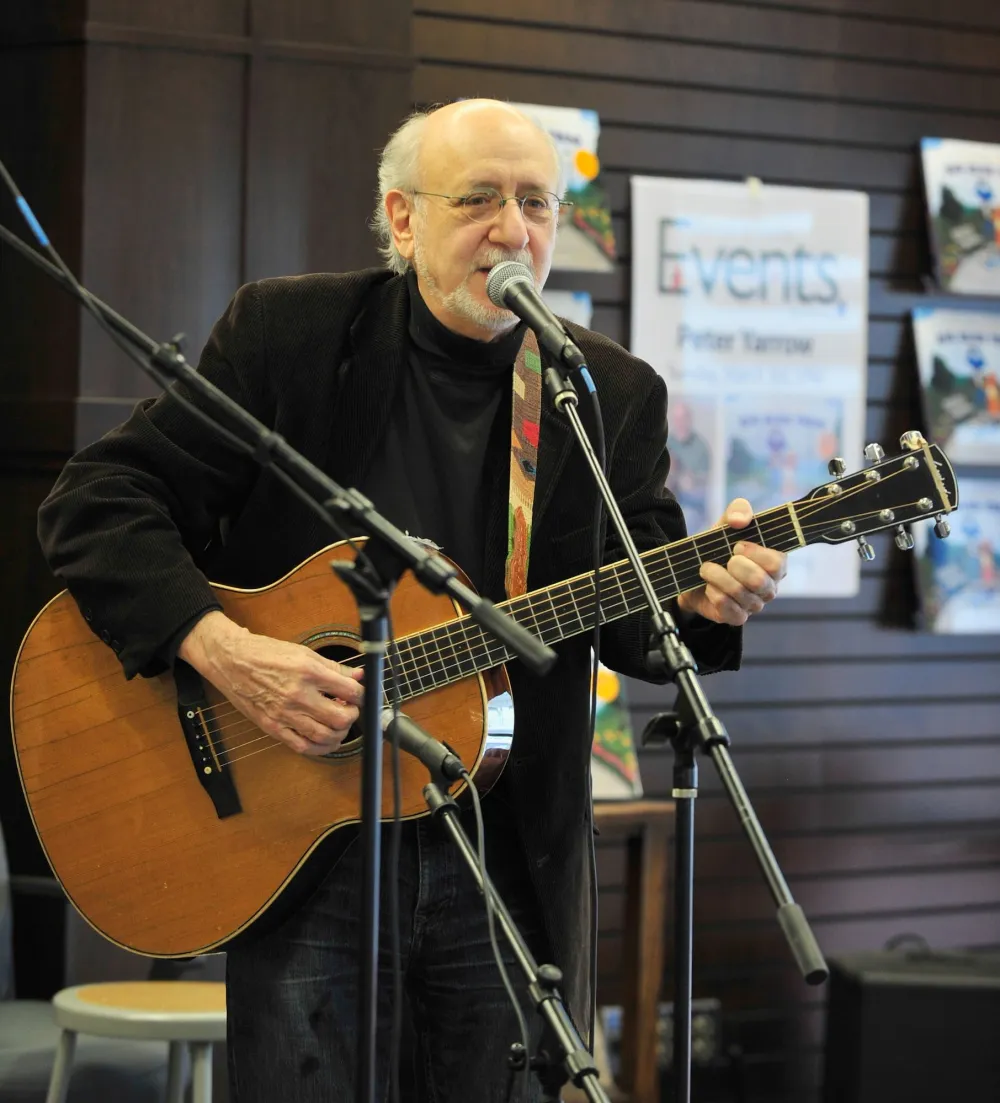
The Peter, Paul and Mary cofounder was convicted of taking “immoral and improper liberties” with 14-year-old Barbara Winter in 1970. Winter said in a sworn statement to police that Yarrow invited her and 17-year-old sister Kathie Berkel to his Washington D.C. hotel room and then answered the door naked, before sexually abusing her.
President Jimmy Carter gave Yarrow a pardon before leaving office in January 1981, in what The Washington Post described as “perhaps the only one in U.S. history wiping away a conviction for a sexual offense against a child.”
Yarrow’s pardon was not well publicized in 1981, as it took place hours before Iran freed American hostages after 444 days in captivity. The folk musician later publicly apologized for his actions towards Winter.
“It was an era of real indiscretion and mistakes by categorically male performers,” he said. “I was one of them. I got nailed. I was wrong. I’m sorry for it.
Yarrow died at age 86 in January 2025.
George Steinbrenner
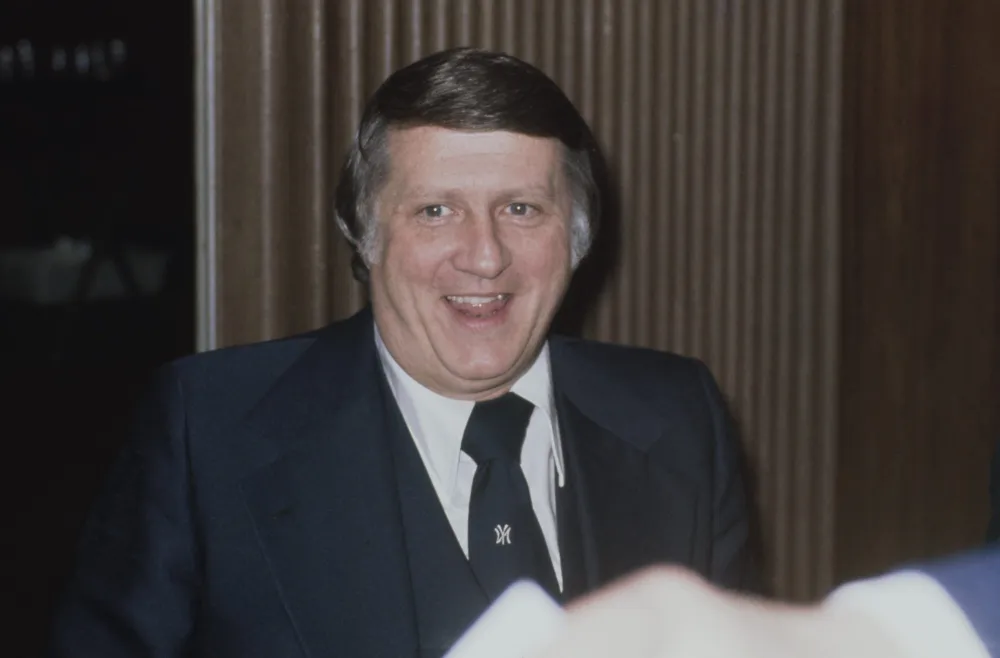
In 1974, the New York Yankees owner pled guilty to making illegal contributions to President Nixon’s reelection campaign as well as a felony charge of obstruction of justice. Steinbrenner was personally fined $15,000 and his company American Shipbuilding was docked $20,000, as well as Major League Baseball suspending him for 15 months.
President Carter initially turned down Steinbrenner’s request for clemency, though his predecessor Ronald Reagan agreed to pardon the Yankees owner as one of the final acts of his presidency in January 1989.
The U.S. government declassified files in 2011 revealing that Steinbrenner assisted the F.B.I. with two investigations, including a terrorism case, in the years before he was pardoned by Reagan. An F.B.I. memo credited Steinbrenner with “[providing] the FBI with valuable assistance.”
Steinbrenner’s pardon raised eyebrows raised particularly because he’d already been spared jail time for his guilty plea.
“The problem with pardoning someone like Steinbrenner is that it turns the concept of equal justice right on its ear,” former Watergate special prosecutor Henry Ruth told The New York Times in 1989. “You pick out the rich and the famous and you pardon them, and you just don’t have a criminal justice system anymore.”
Steinbrenner died at age 80 in July 2010.
Patty Hearst
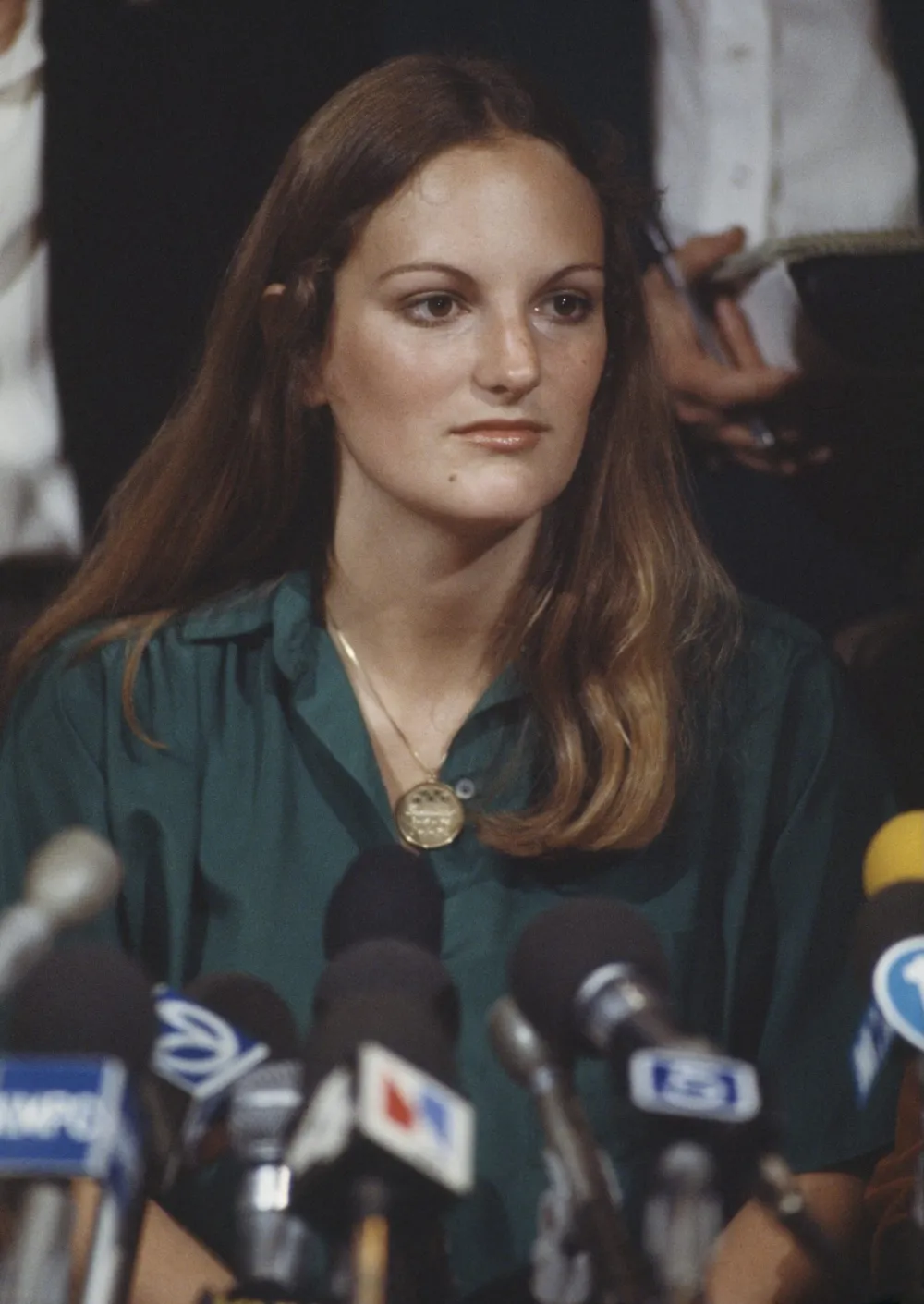
The Hearst family heiress was convicted of bank robbery and felonious use of firearms in 1976 and sentenced to 35 years behind bars due to her involvement with the terrorist group known as the Symbionese Liberation Army. Patty was kidnapped by the group in 1974, but later released statements claiming she’d joined their cause. At her trial, Patty’s attorneys argued that she’d been coerced into taking part in S.L.A. robberies and had been abused throughout her captivity.
President Carter initially commuted Patty’s sentence after 22 months behind bars in February 1979 and she was later pardoned by President Clinton in January 2021. She told Larry King Live in February 2001 that she only accepted a pardon because she wasn’t required to make an admission of guilt.
“There is no possible reason to argue that I should have had to make an admission,” Hearst insisted. “I told [Clinton officials] that I didn’t want a pardon and I would withdraw my application if I had to make some admission of guilt. There is no requirement that an admission be made.”
Jimmy Hoffa
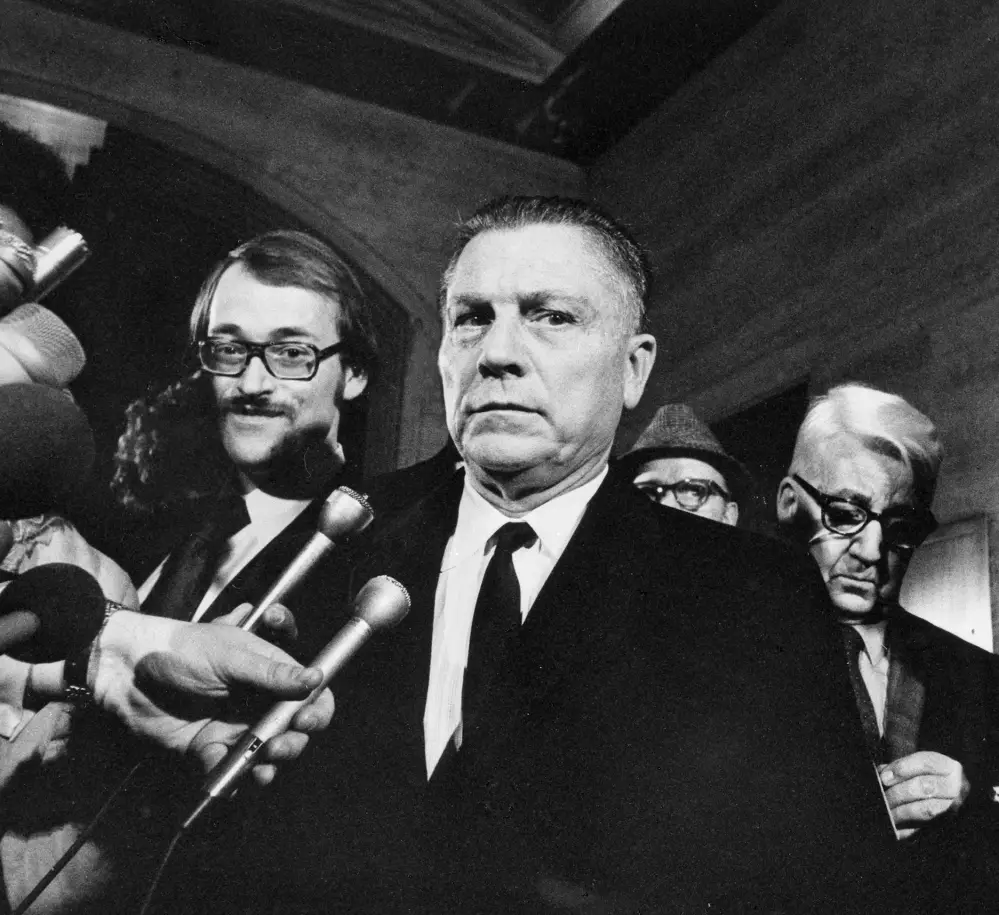
The then-leader of the Teamsters labor union was pardoned by President Nixon in 1971 following his conviction for jury tampering and pension fund fraud. He’d previously been sentenced to 13 years in prison. As part of his commutation agreement, Hoffa agreed to step down as leader of the union.
“Anybody who tells you it is not tough to serve time in a federal penitentiary or state penitentiary should serve just 30 days [voluntarily],” Hoffa said following his release. “The loneliness, solitude, uncertainty and being away from the outside and your family is unbelievable.”
Notorious for his alleged mob ties, Hoffa disappeared under mysterious circumstances in 1975 and was presumed dead in 1982 though his body was never found.
Hunter Biden
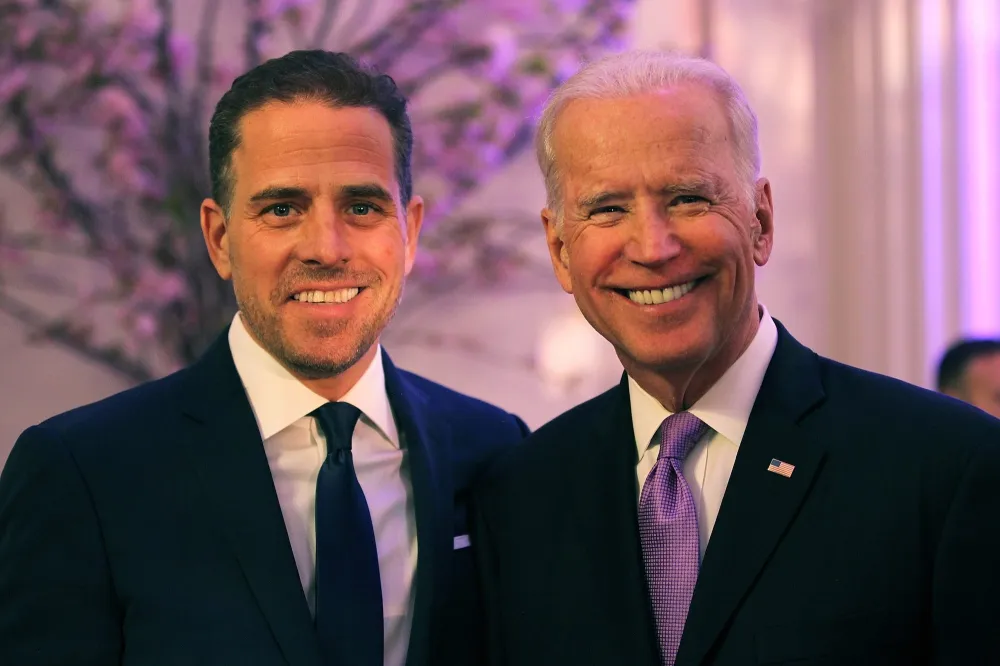
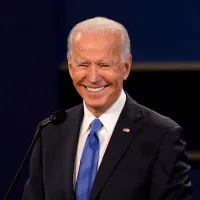
President Joe Biden pardoned his son Hunter in December 2024 after the latter was convicted in federal court of gun and tax evasion charges, despite previously suggesting he wouldn’t do so. The former president said that he’d reversed his decision because he felt Hunter was unfairly targeted by the Justice Department.
“No reasonable person who looks at the facts of Hunter’s cases can reach any other conclusion than Hunter was singled out only because he is my son, and that is wrong,” Biden said in December 2024. “There has been an effort to break Hunter, who has been 5½ years sober, even in the face of unrelenting attacks and selective prosecution. In trying to break Hunter, they’ve tried to break me, and there’s no reason to believe it will stop here. Enough is enough.”
Joe continued, “For my entire career I have followed a simple principle: just tell the American people the truth. They’ll be fair-minded. Here’s the truth: I believe in the justice system, but as I have wrestled with this, I also believe raw politics has infected this process and it led to a miscarriage of justice, and once I made this decision this weekend, there was no sense in delaying it further. I hope Americans will understand why a father and a President would come to this decision.”
Roger Clinton
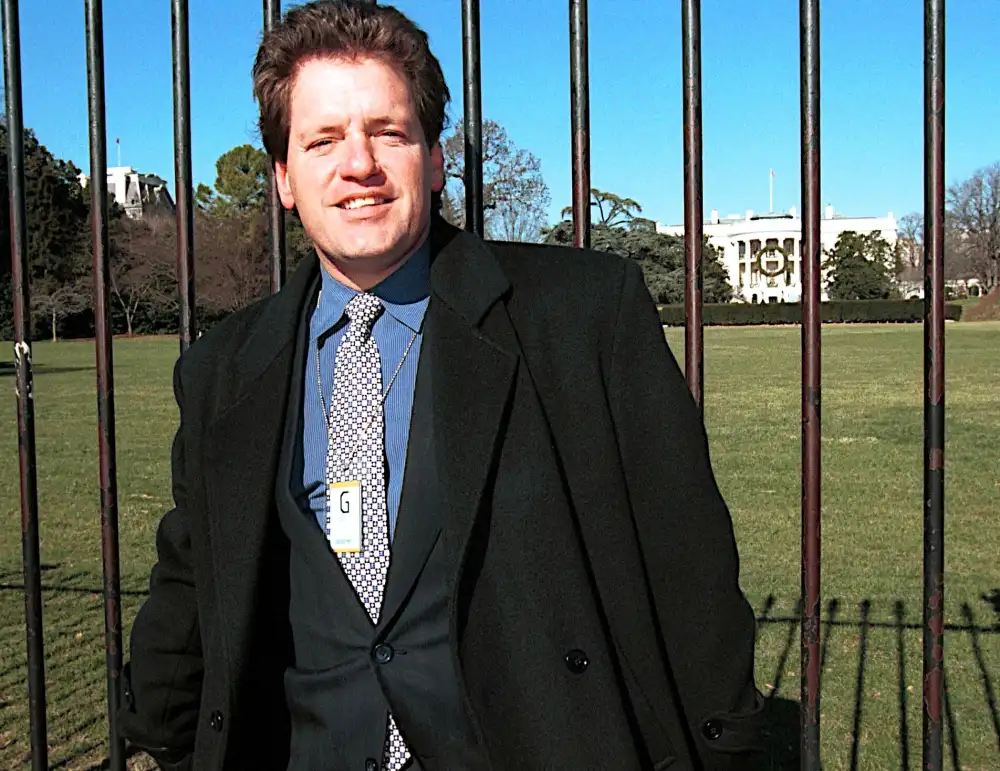
President Bill Clinton pardoned his younger half-brother Roger as part of the 456 clemency orders he issued during his eight years in office. Roger’s pardon proved to be contentious because it was announced hours before President Clinton left office in January 2001.
Roger served two years in prison for possessing cocaine and drug-trafficking. In December 2024, Bill sought to distance his pardoning of Roger from Hunter Biden’s clemency.
“My brother did 14 months in federal prison for something he did when he was 20, and I supported it, and he testified, told the truth about what he’d done when he had a drug problem and helped to bring down a larger enterprise,” President Clinton argued. “And they sentenced him, and then he served 14 months, and then he got out. The real question was, would he ever be able to vote again? Would he ever be able to have normal citizenship responsibilities?”
Vietnam War Draft Resisters
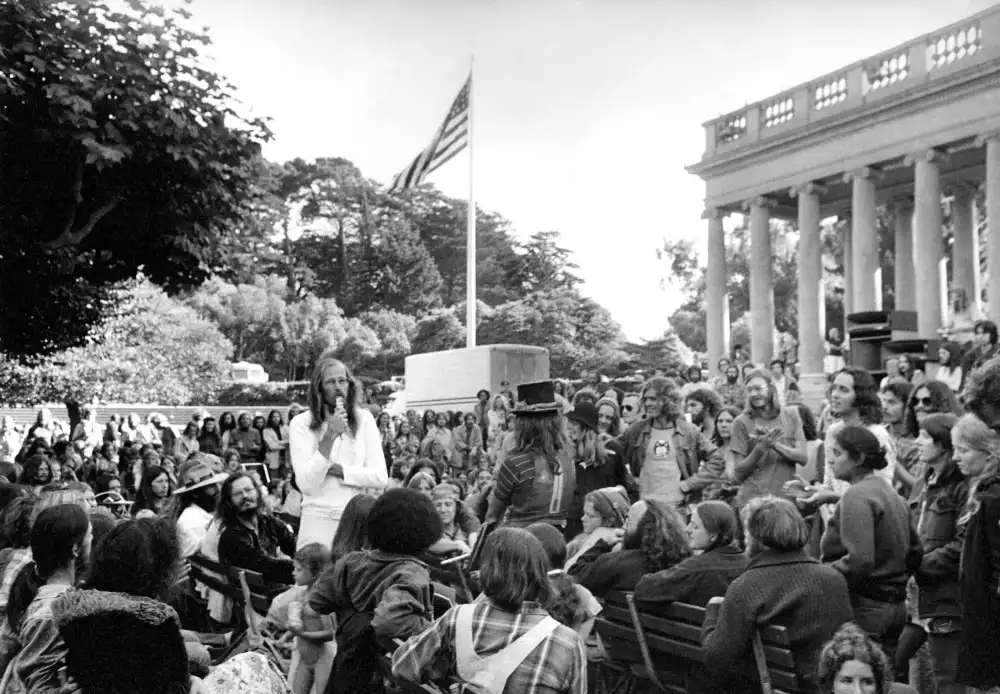
One of President Carter’s first acts upon taking office in 1977 was to award unconditional pardons to nearly 200,000 people who evaded the Vietnam War draft. The executive order became known as Proclamation 4483.
Carter first promised to offer legal forgiveness for Vietnam War protesters during the 1976 presidential campaign. (The Vietnam War ended in April 1975.)
“I think that now is the time to heal our country after the Vietnam War,” he said during a presidential debate.
Carter’s pardons proved to be unpopular on both sides of the aisle. Republicans accused Carter of letting draft resisters off without paying any criminal penalty, while some Democrats complained that anyone taking advantage of the president’s offer would have to admit to committing a crime.
The president eventually issued similar pardons to soldiers who were discharged from the military for desertion during the war.



Confederate Soldiers
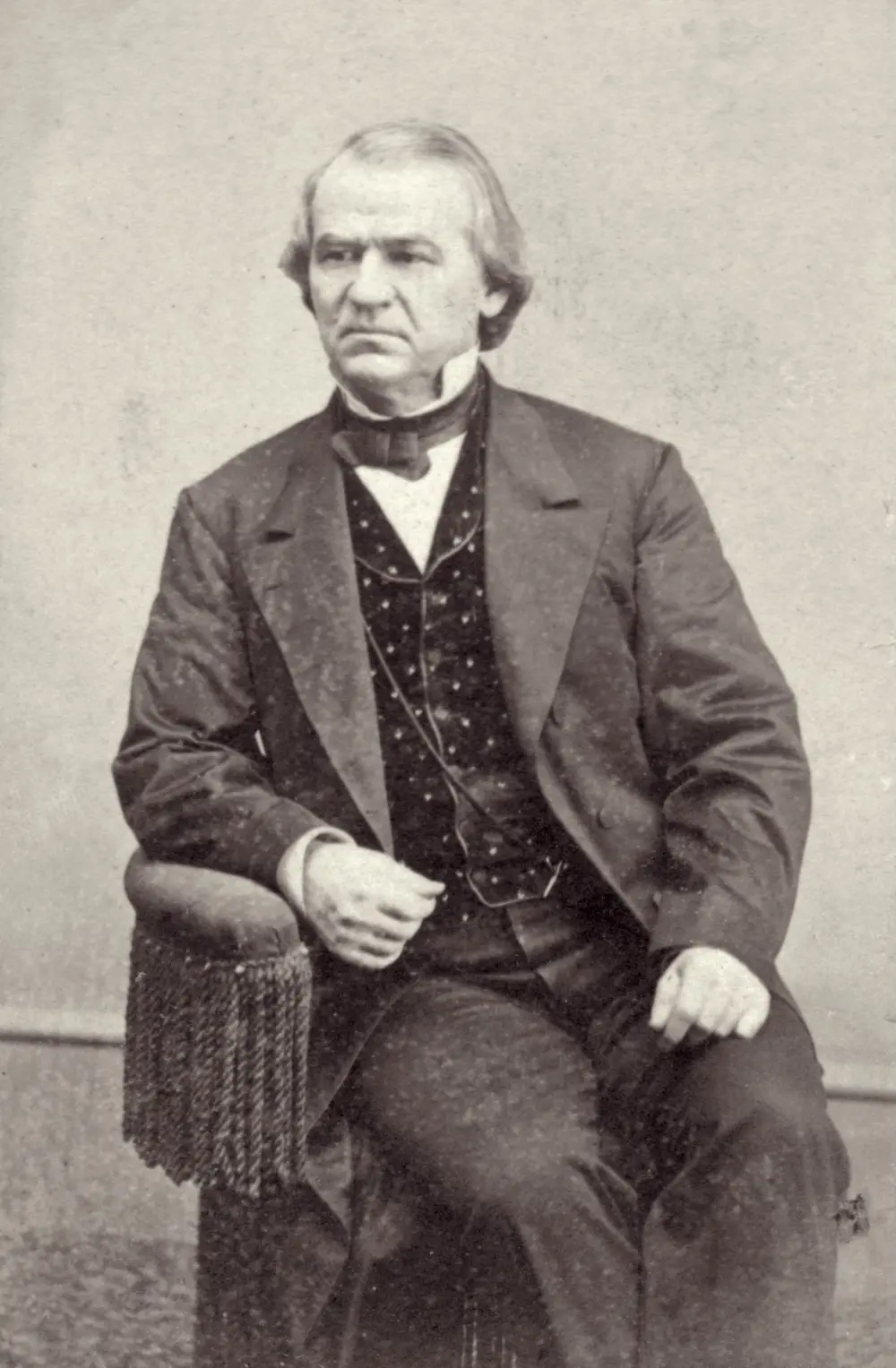
A controversial early presidential pardon occurred on Christmas Day in 1868 when then-President Andrew Johnson gave “full pardon and amnesty” to soldiers who fought on the side of the South during the Civil War.
“[I offer] unconditionally, and without reservation, … a full pardon and amnesty for the offence of treason against the United States, or of adhering to their enemies during the late civil war, with restoration of all rights, privileges, and immunities under the Constitution and the laws,” he proclaimed.
The pardon was extended to anyone “who directly or indirectly participated in the late insurrection or rebellion.” Johnson was seeking a way to heal the divide between the reunited North and South three years after the end of the Civil War.