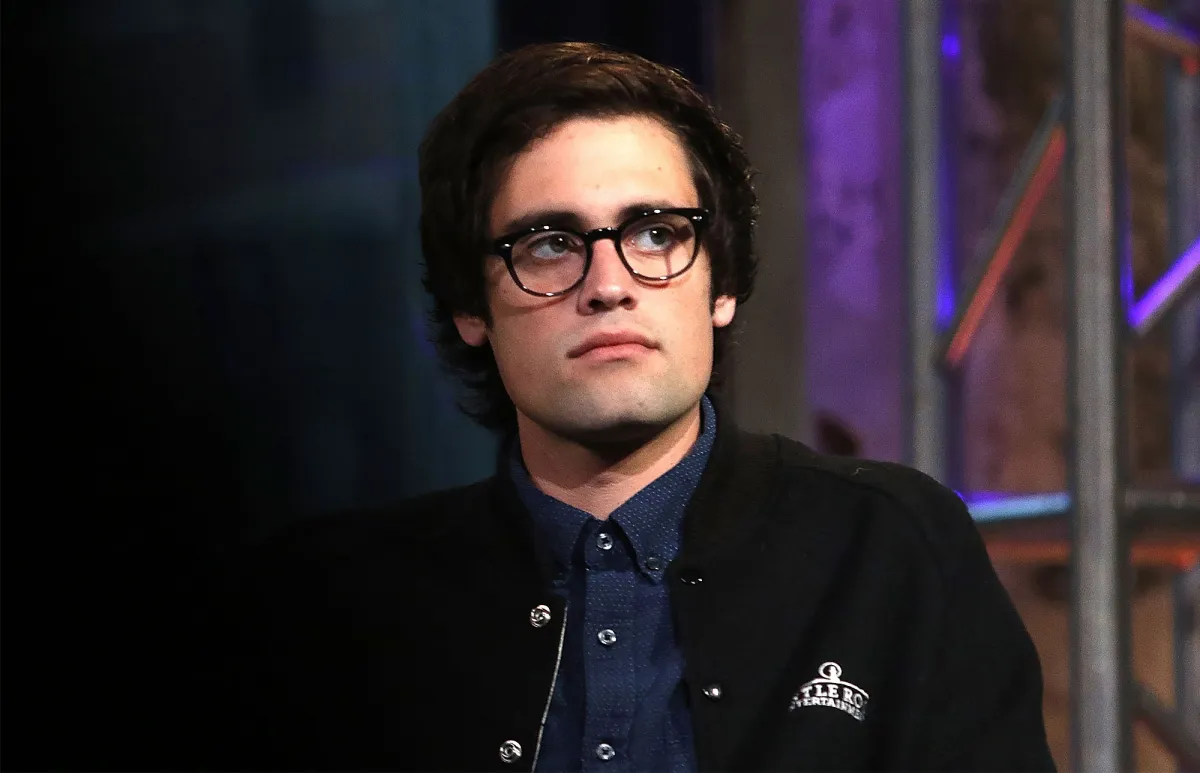


Nick Reiner may face the death penalty if he is convicted of murdering his parents, Rob and Michele Singer Reiner, but that does not necessarily mean he will be executed.
Nick stands accused of killing his parents on December 14, 2025, mere hours after he allegedly had a loud argument with his father, Rob, at Conan O’Brien’s Christmas party. The Los Angeles County Medical Examiner confirmed on December 17, 2025, that Rob and Michele died at ages 78 and 70 respectively from “multiple sharp force injuries,” which is consistent with the LAPD previously disclosing that the couple were found with “apparent stab wounds.”
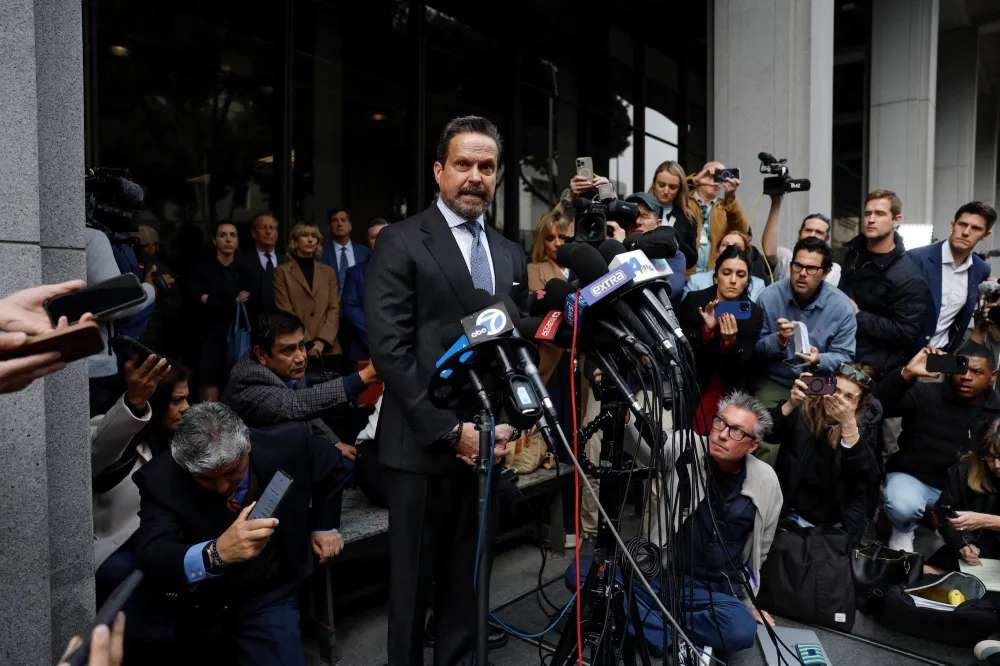
Los Angeles County District Attorney Nathan Hochman announced on December 16, 2025, that Nick will face two counts of first-degree murder. Hochman specifically mentioned “life in prison without the possibility of parole or the death penalty” as potential sentences should Nick be convicted.
“These charges will be two counts of first-degree murder with a special circumstance of multiple murders,” Hochman said in a press briefing. “He also faces a special allegation that he personally used a dangerous and deadly weapon, that being a knife.”
Keep scrolling to find out how California’s moratorium on the death penalty could impact Nick’s case.
How Will California’s Death Penalty Moratorium Impact Nick Reiner’s Case?
Los Angeles County District Attorney Nathan Hochman could pursue a death penalty sentence against Nick Reiner, though the accused killer would not actually be executed due to a moratorium on capital punishment in California.
California Governor Gavin Newsom halted all executions in the state with an executive order signed in March 2019 because he felt the death penalty was “inconsistent with our bedrock values.” At the time, his executive order granted a temporary reprieve to 737 inmates on death row in California.
“I do not believe that a civilized society can claim to be a leader in the world as long as its government continues to sanction the premeditated and discriminatory execution of its people,” Newsom said in a statement at the time.
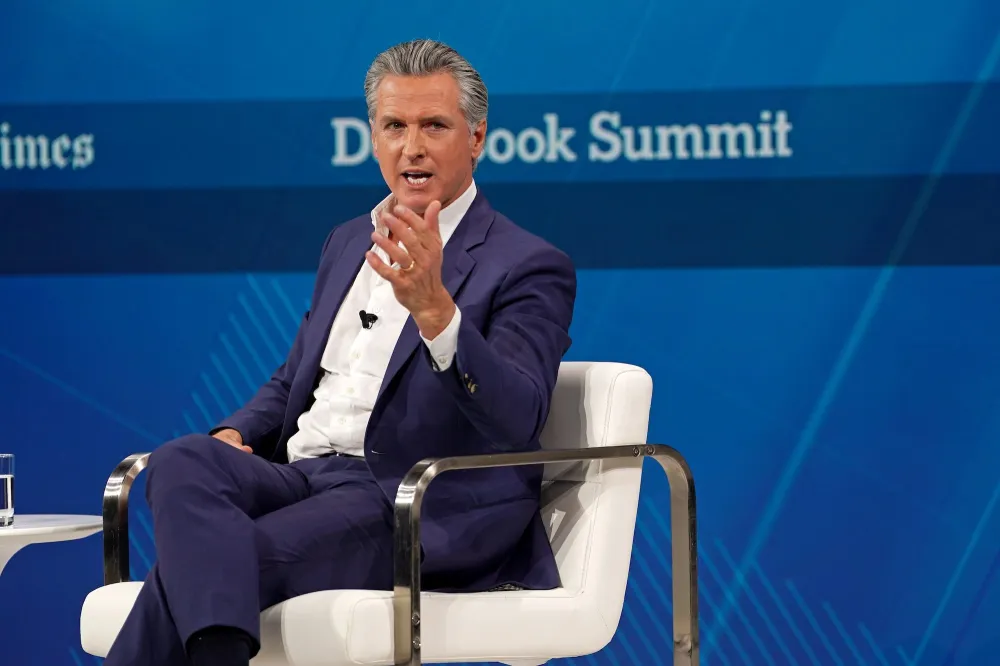
The governor clarified that he signed the moratorium “with a heavy heart” and “with deep appreciation for the emotions that drive this issue.”
“I have deep empathy for victims of crimes and I believe in justice,” Newsom added. “I believe that there are crimes so heinous that people should spend the rest of their lives in prison.”
Newsom’s executive order did not technically prevent prosecutors from seeking the death penalty in criminal cases — it simply blocked capital punishment from actually being enforced. Prior to Newsom’s order, Californians voted against repealing capital punishment in 2012 and 2016.
Oakland criminal defense lawyer Jo-Anna Nieves explained to Fox News how Newsom’s ruling could impact sentencing in the Reiner case.
“The executive order issued by Gavin Newsom halted executions, closed the execution chamber at San Quentin, and paused lethal-injection protocols, but it did not repeal the death penalty or invalidate death sentences imposed by courts,” Nieves noted. “California still has the death penalty on the books, and prosecutors are legally permitted to seek it in eligible cases.”
Nieves went on, “Practically speaking, even if prosecutors pursue the death penalty against Nick Reiner and obtain a conviction and death sentence, no execution would occur under the current moratorium. The sentence would legally exist, but its enforcement would remain suspended unless the moratorium is lifted by a future governor or the law is changed through legislation or voter action.”
University of Southern California criminal law professor Aya Gruber told The New York Times that it was unusual for the Los Angeles County District Attorney’s office to float the possibility of the death penalty given Nick’s history with addiction and mental health issues, though Gruber theorized that it have been a negotiating tactic to pressure Nick into taking a plea deal.
“[The death penalty is] a very useful tool in getting people to plead guilty,” she said.
How Can California’s Death Penalty Moratorium Change?
The easiest way for California’s capital punishment moratorium to be rescinded is for Governor Gavin Newsom’s successor to overturn the executive order.
Newsom is nearing the end of his second term as a governor and is unable to run for reelection due to term limits. California will hold its next gubernatorial election in 2026.

Californians would also be able to weigh in on the ruling if a proposition about restoring capital punishment is put on the ballot in 2026.
When Was the Last Execution in California?
Even before Governor Gavin Newsom’s moratorium in March 2019, California had not executed any prisoners in 13 years.
Clarence Ray Allen was the last prisoner executed in the state on January 17, 2006. Allen, then 76, received a lethal injection at San Quentin State Prison after being convicted of three counts of first-degree murder with special circumstances in 1982.
California has only executed 13 prisoners since the 1970s. The Sacramento Bee reported that, as of December 2025, there are 580 condemned prisoners serving time — 562 men and 18 women.
California’s Department of Corrections and Rehabilitation confirmed that four prisoners have been on death row since 1979, which is the longest of anyone currently serving time in the state. Four more prisoners received death sentences in 2025.
When Will Nick Reiner Next Appear in Court?
Nick Reiner’s arraignment will take place on January 7, 2026.



Nick’s attorney, Alan Jackson, explained to the court on December 16, 2025, that the accused killer was not “medically cleared” to attend that day’s hearing. Nick did appear in court the following day wearing a blue vest, indicating that he was on suicide watch.
During the December 17, 2025, hearing, Nick waived his right to enter a plea of guilty or not guilty. His attorney explained that it was simply “too early” for his client to decide on a plea.
Nick’s legal team and prosecutors both agreed to continue the arraignment in January 2026. In the meantime, Nick is being held at L.A.’s Twin Towers Correctional Facility without bail.