

Image courtesy: Hermès
Even luxury darling Hermès is not immune to the negative impact of the current Middle East conflict. Its 2026 Q1 financial results show revenue and sales growth, but lower than expected, due to disruption from and in the Middle East, also impacting tourist travel and shopping elsewhere. Yet, it is doing better than other luxury players like LVMH and Kering as it reports this more measured start to 2026.
Described by Hermès as “robust sales growth in a complex geopolitical context,” in 2026 Q1, revenues rose 6% over the same period in 2025 (at constant exchange rates). Factoring in a significant currency impact, sales declined one percent. The overall revenue for the quarter was €4.1 billion.
Axel Dumas, Executive Chairman of Hermès, stated:
“In a tense geopolitical environment, Hermès maintains its course, true to its long-term strategy. Supported by its abundant creativity, its uncompromising quality and the loyalty of its clients, Hermès is continuing its profitable growth in 2026 with confidence and conviction. The fundamentals of the Hermès model are more than ever a differentiating strength.”

Image courtesy: @thisismaktub
Digging deeper, Hermès’ performance reveals a familiar theme: strong underlying demand, tempered by external factors.
The Americas led growth with an exceptional 17% increase, showing balanced growth across all métiers in the United States, Canada, and South America.
Europe (excluding France) followed closely with 10% growth, supported largely by domestic demand. France, however, slipped 3%, impacted by reduced tourist traffic, particularly in March — tied to geopolitical tensions in the Middle East.
Japan also posted record growth (+10%), driven by strong local engagement and store activity.
Asia excluding Japan grew a modest 2%, with Greater China continuing its slow but steady recovery. In contrast, the “Other” region, largely tied to the Middle East — fell 6%, reflecting a sharp drop in tourist-traffic due to the ongoing tension.
Despite these headwinds, Hermès noted that in-store sales still rose 7%. However, wholesale told a different story, hit harder by weaker performance in airport retail and concession spaces, particularly across Middle Eastern hubs.

Image courtesy: @j_que_
Across the Hermès métiers, performance followed a similar pattern, with leather and core categories leading growth, while watches once again lagged behind.
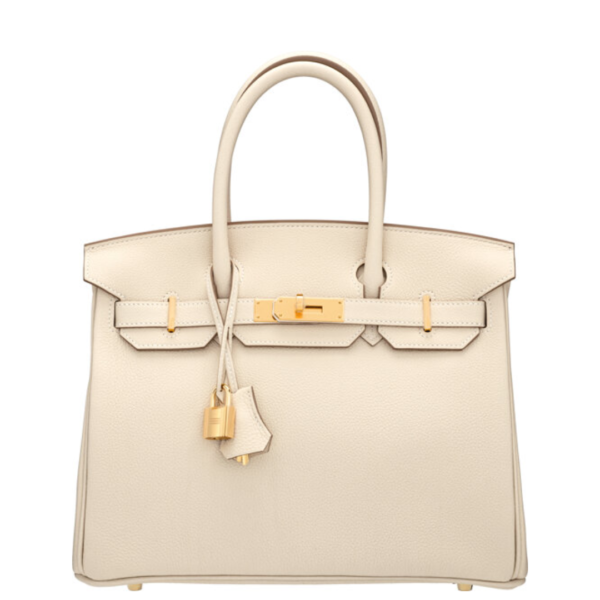
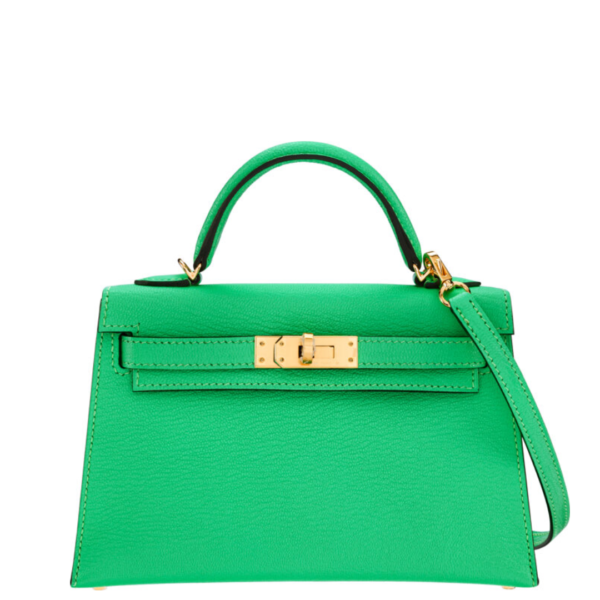
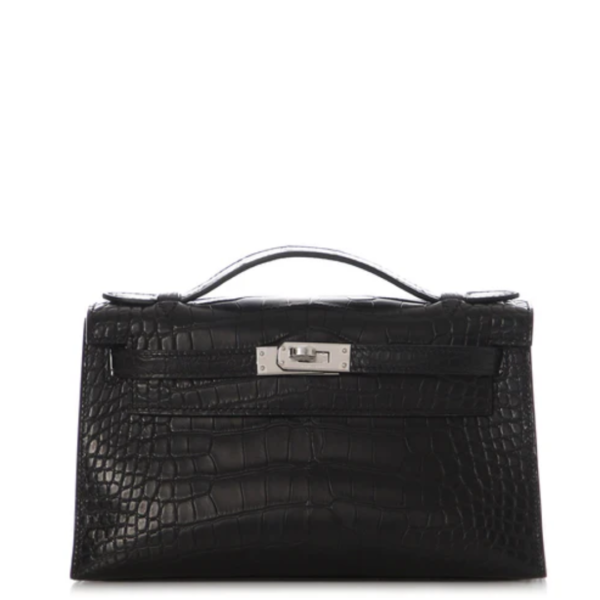
Leather Goods and Saddlery, Hermès’ largest group, led the way, posting 9% growth. Demand remains firmly anchored in the house’s iconic bags, but it’s newness that’s keeping momentum fresh. Designs like the Faubourg Express and Collier d’Attelage have already gained traction, while the introduction of the Herbag 20 taps neatly into the ongoing appetite for smaller formats.
To keep pace, Hermès continues to scale production, opening its 25th leather workshop in Loupes (Gironde). Further sites are already planned in Charleville-Mézières (2027), Colombelles (2028), and Les Andelys (2030), reinforcing its long-term investment in French craftsmanship.
Ready-to-wear and Accessories remained stable this quarter, with recent runway presentations, including the women’s Fall-Winter 2026 show in Paris and Véronique Nichanian’s latest and last.mes nswear collection, well received. Silk and Textiles recorded solid growth (+8%), driven by consistently renewed designs and seasonal pieces.
Also reporting 7% revenue growth is Hermès “Other” sectors, which include Jewellery and the Home Universe. Perfume and Beauty recorded stable sales.
Watches, however, declined 4%, reflecting ongoing challenges in the segment. That said, the house continues to invest heavily here, expanding both its technical offering and production capacity — a clear indication that this is a long game.

Image courtesy: Red
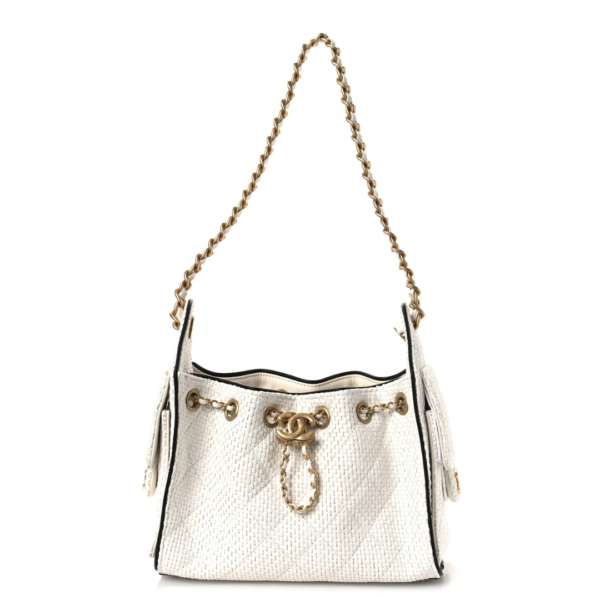
During the Q&A session, Hermès Chief Financial Officer Eric du Halgouët, and Head of Investor Relations Alexandra Boucheron were asked whether rising competition — particularly amid the Matthieu Blazy “frenzy” at Chanel and Jonathan Anderson’s arrival at Dior —might prompt a shift in Hermès’ growth strategy. The question also touched on markets like China, where novelty often plays a key role in driving footfall.
In response, Hermès was clear that the fundamentals of its model remain unchanged: even in a more complex competitive environment, there will be no adjustment to its strategy or way of operating. The house also emphasised that creation and “freedom to buy” remain central to its philosophy, pointing to the strong performance of its latest collections, alongside consistently high sell-through rates.

Image courtesy: Hermès
As tourism patterns change and global uncertainty lingers, are you adjusting how — and where — you spend on luxury in 2026?
Read related articles:
LVMH’s Reality Check: Growth Slows as Challenges Mount
Luxury Stock Prices Are Dropping. What Does It Say About the Industry?
Hermès Posts €16B Year as Leather Division Jumps 13%
The Birkin Premium Is Going Up, Just Like the Prices
The Hermès Birkin Bag Price Guide 2026
New Confirmed Hermès Prices in Europe 2026
Love, Replica Handbags Reviews
XO










Comments